


### Blog Post:
Solar generator for home backup is a practical solution for homeowners seeking reliable emergency power without relying on gas or diesel. If you want to keep essential appliances running during outages, understanding how these systems work—and their actual limitations—is critical before investing.
Key Takeaways
- Modern solar generators use advanced battery tech like LiFePO4 batteries for 3,000–6,000 cycles, but total backup time depends on your load and capacity chosen.
- 2000W solar generators may not power your whole house; careful appliance management and real expectations are vital during blackouts.
- Hidden costs—solar panels, installation, and compatibility—are often overlooked. Whole-home integration can require extra investment and planning.
- The Core Concept: What Is a Solar Generator for Home Backup?
- Step-by-Step Guide: Setting Up a Solar Generator for Home Backup
- Advanced Analysis & Common Pitfalls
- Conclusion
- FAQ
The Core Concept: What Is a Solar Generator for Home Backup?
A solar generator for home backup combines a solar panel array, a battery bank (commonly LiFePO4 or lithium-ion), and an inverter system that stores solar energy and delivers it as household AC power when you need it most. The main advantage is silent, emission-free electricity without dependence on fossil fuels or external grid supply.

Unlike old-school portable fuel generators, solar backup generators require more planning. Their usefulness during a blackout depends on battery size, inverter output, charging times, and the number (and types) of appliances attached. Choosing the right system means sizing for your “must-run” devices, understanding system efficiency, and factoring in how quickly your generator can recharge in an ongoing outage.
Today’s leading models, such as the Bluetti AC200P L, Jackery 2000 Plus, and EcoFlow Delta Pro, promise fast AC and solar charging, robust warranties, and safety certifications (ETL, FCC, DOE, CEC). Still, the capabilities of a 2000W solar generator have technical limits—crucial for setting honest expectations.
If you’re researching home backup powering, it’s also worth reviewing other emergency survival skills like fire starting techniques to round out your preparedness plan.
Step-by-Step Guide: Setting Up a Solar Generator for Home Backup
Ready to deploy a solar generator for home backup? Here’s a stepwise breakdown for a safe and practical setup.
-
Assess Your Backup Needs:
- Inventory appliances you have to run (fridge, freezer, lights, medical devices, internet modem).
- Find out continuous and peak (starting) watt draw for each device. Add them up to clarify generator sizing.
-
Select a 2000W Solar Generator That Matches Your Needs:
- Look for LiFePO4 batteries for longer cycle life (3,000+ cycles). Read more on longevity from PopSci’s comparison tests.
- Verify that the inverter provides at least 2,000W continuous output and check if there’s a temporary “power lifting” feature for high-inrush devices.
- Confirm battery capacity (Wh). As a rule of thumb, a 2000Wh battery can power a 400W fridge for five hours, but real runtimes may vary.
-
Calculate Solar Panel Sizing and Sourcing:
- Decide how often you’ll recharge from solar alone, and what sunlight is available in your region.
- Multiply required watt-hours by 1.3 to account for system losses. Most 2000W units accept 600W–2,400W solar panels (see real specs here).
- Factor in space for panel placement and weather conditions.
-
Plan for Safe Installation and Home Integration:
- Keep the generator dry and ventilated.
- Never plug it directly into a home socket (backfeeding). Use approved transfer switches or dedicated subpanels if you want seamless home circuit powering.
- Consider professional installation for load balancing and code compliance. Permits may be required in some areas.
-
Test, Maintain, and Update:
- Run regular drills—simulate outages and run your planned loads to check real-world performance.
- Update your must-run list as your needs or appliances change.
- Handle batteries according to the manufacturer’s guidance, and keep firmware updated if applicable.
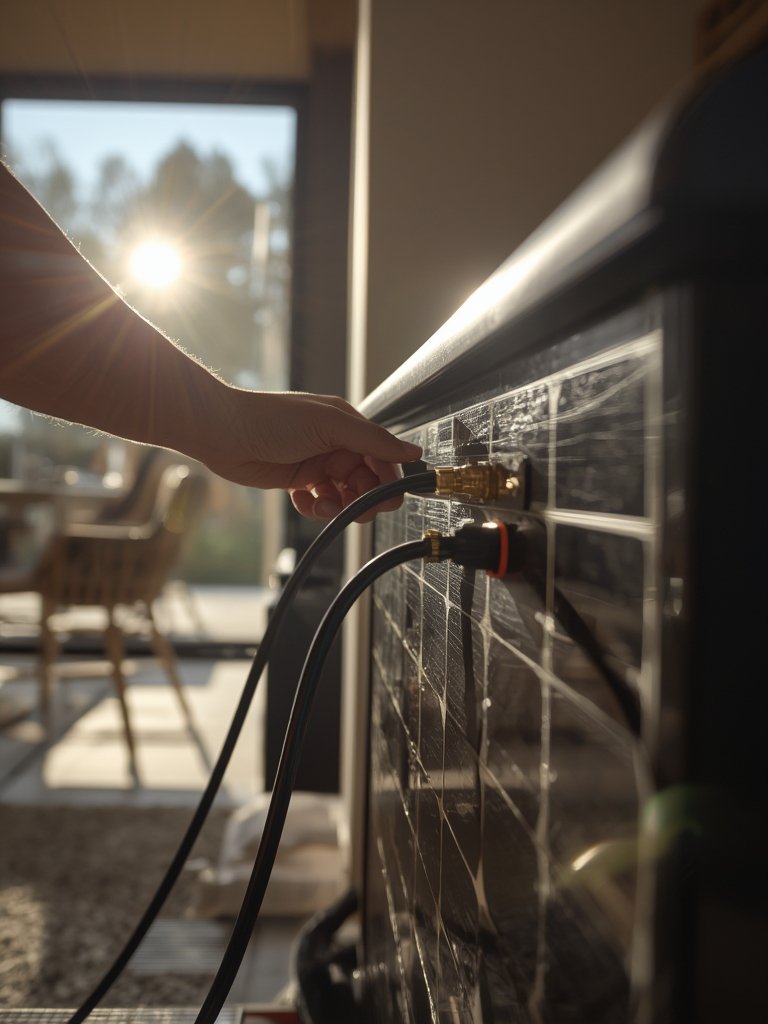
A practical tip: sometimes splitting your backup into two smaller solar generators (kitchen and critical outlets) is more flexible and scalable than attempting whole-house integration with a single, oversized generator.
If you’re seasoned in survival prep, remember balancing electrical backup with primitive skills, such as how to start a fire for survival, boosts your resilience even more.
Advanced Analysis & Common Pitfalls
Despite enticing marketing, 2000W solar generators aren’t a plug-and-play whole-home solution for most houses. Here are the most common user frustrations and technical oversights we see based on independent research data.
| Feature | Bluetti AC200P L | Jackery 2000 Plus | EcoFlow Delta Pro 3 |
|---|---|---|---|
| AC Output (Continuous) | 2,000W | 2,000W | 4,000W |
| Battery Capacity (Wh) | 2,048–8,192 (expandable) | 2,043 | 4,096 |
| Battery Type | LiFePO4 | LiFePO4 | LiFePO4 |
| Cycle Life | 3,500–6,500+ | 4,000 | 3,500+ |
| Max Solar Input | 600W | 1,200W | 2,400W |
| AC Charging Time | 58 min (HyperFlash) | 1.6 hr | 2.6 hr |
| Warranty | 5 years | 5 years | 5 years |
| Certifications | ETL, DOE, CEC | Not listed | ETL, DOE, CEC |
Common Pitfalls and Practical Issues
- Overestimating What a 2000W Generator Can Power: Continuous output does not cover large appliances running together. For example, a fridge, sump pump, and microwave may overload these systems if used at once. Always stagger heavy loads.
- Ignoring Battery Runtime Limits: While a 2000Wh generator may run a typical fridge for ~5-6 hours, adding just a few lights and a router can slash runtime. If you want to power multiple devices overnight, consider expandable models or extra battery modules.
- Missing Surge Ratings: Many models don’t publish surge capacity data. This is vital for appliances with high startup currents, such as pumps. Always consult the manufacturer or look for independent testing.
- Hidden Cost Surprises: Budgeting for the generator alone is misleading. Add in 600-2,400W of solar panels (at $1-$2 per watt), balance-of-system gear, permits, and potentially labor ($500+). Read this cost breakdown for a starting point, but expect gaps.
- Missing Certifications or Inadequate Warranties: For insurance and safety, verify ETL, DOE, FCC, and CEC certifications. Prefer 5-year warranties (Growatt overview). Seek written battery cycle guarantees, especially if you’re off-grid long-term.
- No Automatic Transfer/UPS: Most affordable 2000W solar generators require manual switchover. If you want seamless backup, look for units that support an automatic transfer switch (rare in this price range), or consider larger, professionally installed battery systems.
- Lack of Real Blackout Test Data: Most reviews and manufacturer specs don’t report actual runtime with typical appliances during multi-day outages. For a more resilient approach, complement your backup power system with skills such as primitive fire starting if outages extend beyond backup power durations.
Confused about load management? Whole-house compatibility often requires more than just plugging in a “large” generator—see practical survival skills and divided-circuit backup strategies for more ideas on prepping your home for emergencies.
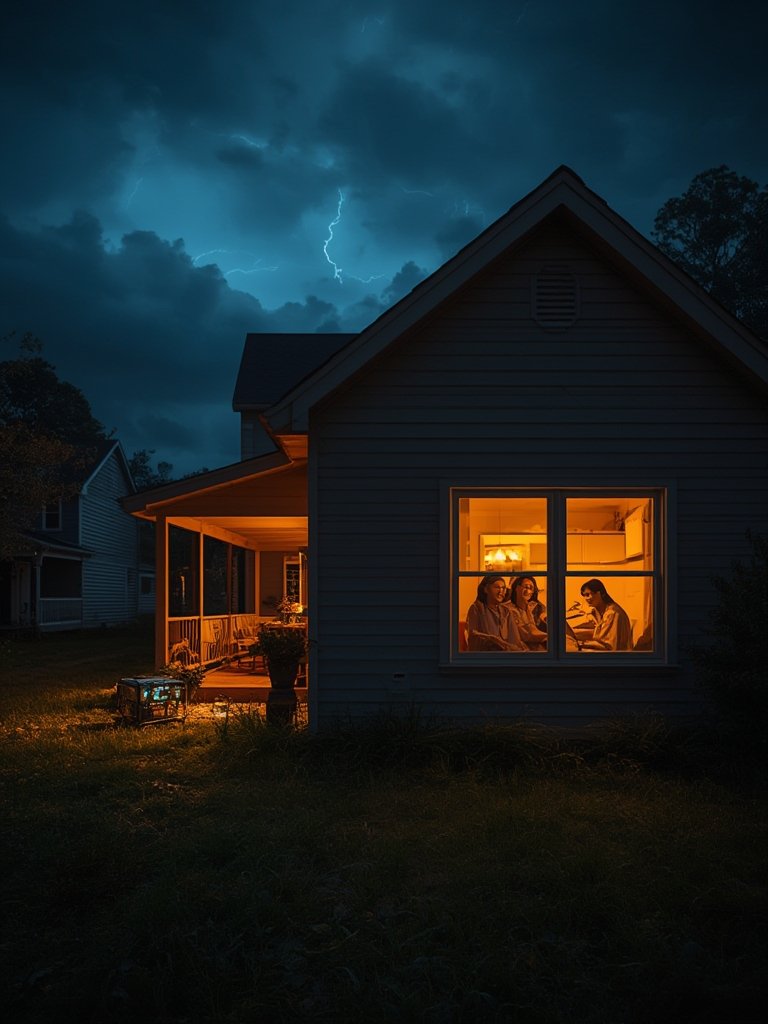
Conclusion
Choosing a solar generator for home backup is about informed tradeoffs. You gain silent, cleaner power and low maintenance—but sacrificing maximum output, whole-house integration, and “always-on” reliability unless you invest well above the typical 2000W system.
Read through the specs, plan your must-haves, and budget for the total system (including panels and possible installation). The right solar generator for home backup will offer peace of mind during outages, but it’s not a silver bullet. Start small, scale as needed, and always have a manual plan for longer-term emergencies.
Looking for a reliable model or want to combine electrical prep with classic survival techniques? Dive into more guides like primitive fire starting, and take your home resilience to the next level today.
FAQ
Can a 2000W solar generator power my entire house during a blackout?
No. A 2000W unit can reliably run key appliances like a fridge, router, and some lights—but running high-draw devices (HVAC, oven, well pump) or multiple major appliances together is usually not possible. Consider a whole-home system or careful load management.
How long will a 2000Wh solar generator last on a single charge?
It depends on your load. For example, a 400W fridge could run about 5 hours on 2,000Wh. If you add lighting and internet, runtime is reduced. For overnight or multi-day coverage, look at models with expandable battery packs.
How long does it take to recharge a 2000W solar generator?
With AC input, most top models recharge in 1.3–2.6 hours using a wall outlet. With solar panels, expect 1.5–3 hours for 80 percent recharge (with optimal panel setup and full sun). Bad weather or small panel arrays will stretch this time out.
What are the hidden costs of installing a home solar backup system?
Beyond the generator itself: solar panels, extra batteries, wiring, transfer switches, permit fees, and professional installation costs add up. Always budget for the full setup, not just the base unit.
What certifications should a solar generator have for home backup use?
Choose models with ETL (safety), FCC (EM compliance), DOE, and CEC certifications. These ensure safer operation, qualify for incentives in some states, and provide peace of mind. Prioritize products with 5-year warranties and documented independent testing.
—